Akriti Bagale
PhD Candidate in Information Technology
George Mason University
abagale at gmu dot edu
Find my CV here.
I am a human-AI interaction researcher and PhD candidate at George Mason University, studying how AI is reshaping the way people learn, and how we might design systems that keep people at their center. My research attends to human experience: what people trust, how they make sense of unfamiliar technology, and where systems fail them.
My research moves across AI governance, participatory design, and NLP for social-media analysis, grounded equally in mixed methods and quantitative research. Before my PhD, three years as a Software Engineer taught me how products work and ship.
I am now seeking internships in UX research, applied NLP, quantitative research, and human factors, where I can help teams understand their users and build evidence-based, human-centered products.
Beyond research, my curiosity turns to philosophy, history, and art, and above all to truth and beauty.
Publications
A Survey Instrument to Assess Students' AI and Generative AI Knowledge
TL;DR: We develop and validate a survey instrument for measuring students' knowledge of AI and generative AI.
NSF-EEC: Impact of Generative Artificial Intelligence (GAI) on Engineering Education Practices
TL;DR: An NSF-funded study examining how generative AI is reshaping teaching and learning practices in engineering education.
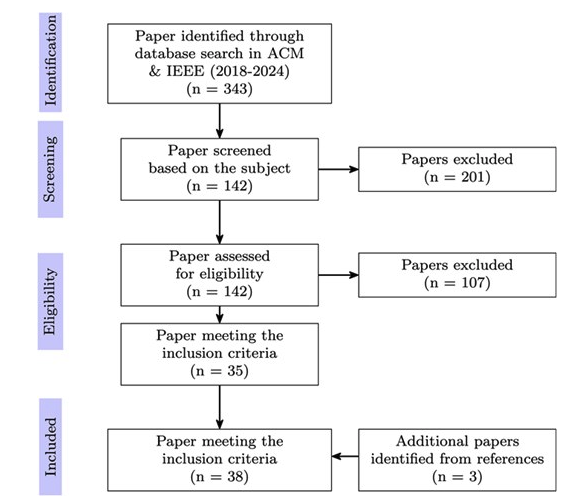
A Systematic Literature Review of Assistive Technology for Neurodivergent Individuals
TL;DR: We review 38 articles (2018–2024) on assistive technologies — from mobile apps to VR headsets and smartwatches — that support daily life for neurodivergent individuals.
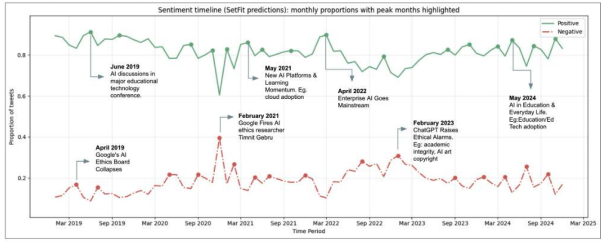
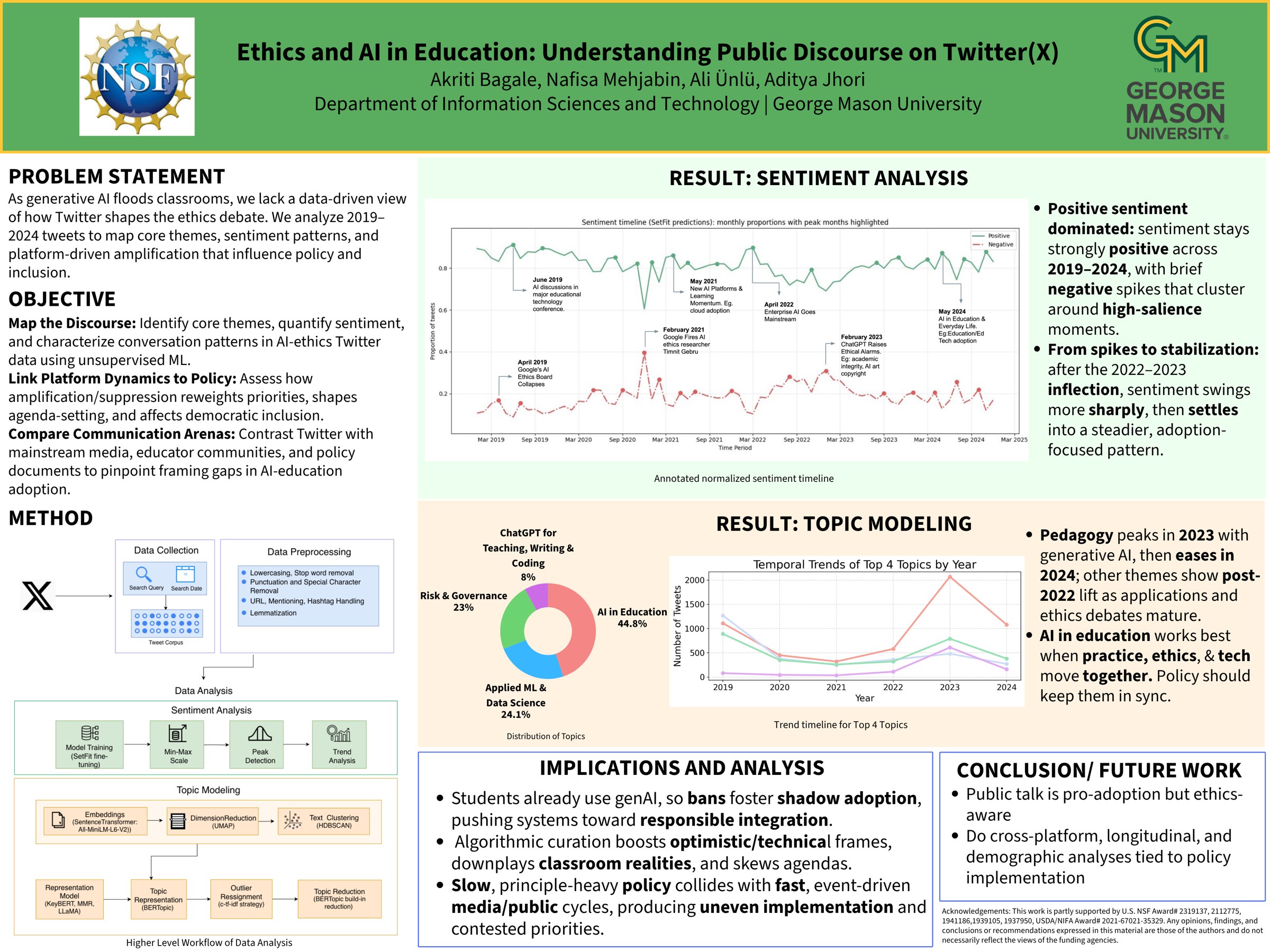
A Longitudinal Analysis of Public Discourse on AI Ethics in Education Using Twitter Data
TL;DR: We trace years of Twitter/X discourse to show how public conversation about AI ethics in education has evolved over time.
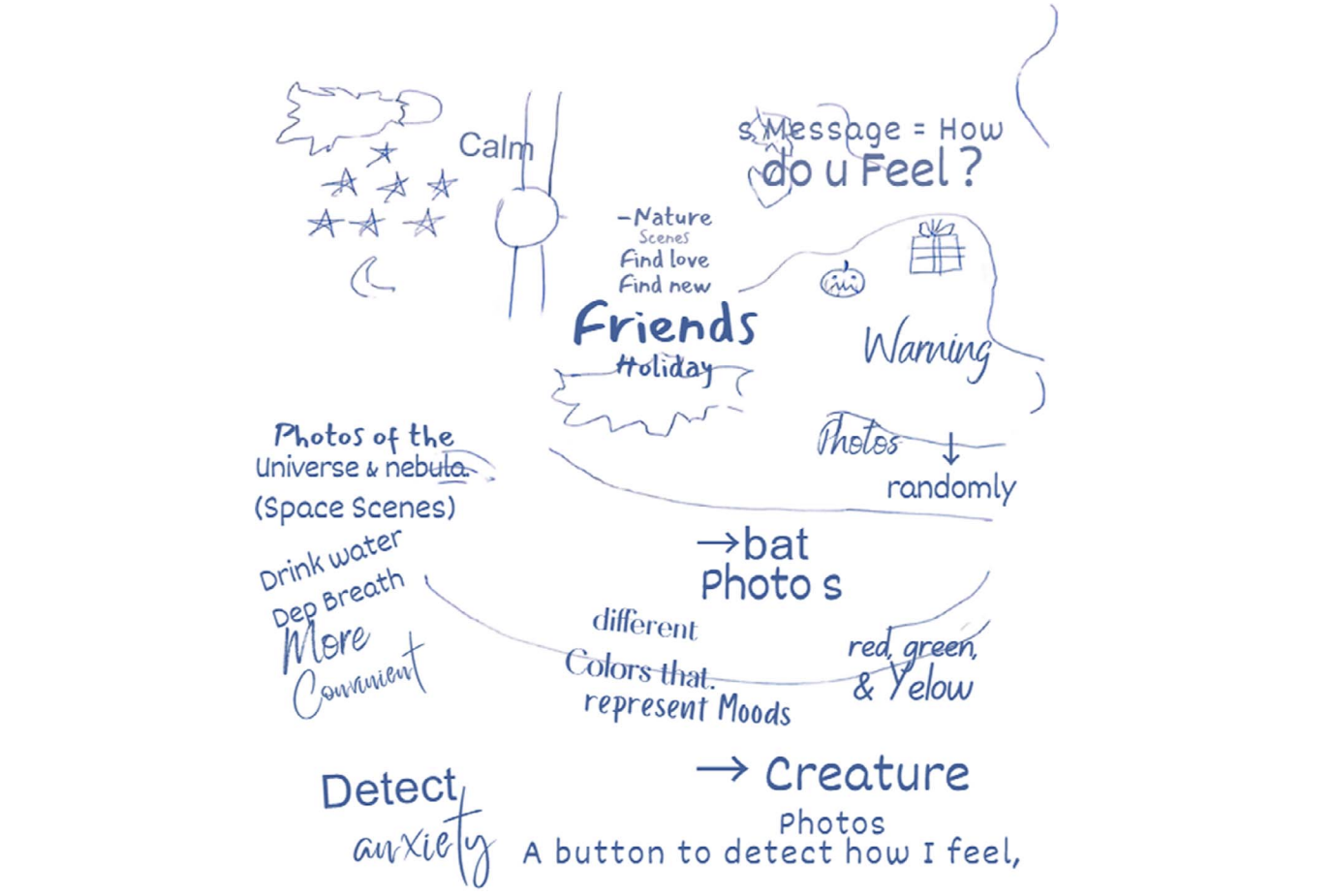
Designing Assistive Technologies for and with Neurodivergent Users: Considerations from Research Practice
TL;DR: Traditional HCI methods often fail to engage neurodivergent users — we combine a literature review, a practitioner survey, and adaptive interview case studies to show how to design assistive technology with them, not just for them.
For an up-to-date list, see Google Scholar.